

X-rays are high frequency light (or radiation) that penetrates different substances with different rates and absorption.
In dentistry, there are typically four types of X-rays:
- Periapical x-rays: used to look at the root tip of the tooth
- Bite-wing x-rays: used to look between the teeth for decay
- Occlusal x-rays: are primarily used for children to show the dentist the development of the child’s permanent teeth. Some children have congenitally missing teeth, which means they were born without a permanent tooth.
Panoramic x-rays: used to see the entire jaw bone, check for tumors and growths, view the position of your wisdom teeth, unerrupted teeth, and even extra teeth.
Are They Safe?
Yes. Dental x-rays produce a low level of radiation that the public and professional communities consider safe. Many precautions are taken to ensure their safety including using lead aprons, shields, and a fast process which limits exposure. In fact, our everyday environment contains natural radiation and dental x-rays have far less radiation than you might think.
You will be happy to know that a single conventional dental x-ray delivers 3,000 times less radiation than an upper GI series, 250 times less than a chest x-ray, and 50 times less radiation than a typical day of background radiation from the sun. Dental x-rays are both safe and effective, and can be used during pregnancy. All Family 1st Dental offices have integrated digital x-rays into their offices, which have a minimal radiation exposure.
Digital x-rays offer additional advantages, with an additional 80 percent reduction in the radiation exposure to the conventional dental x-rays stated above. Using digital x-rays there is no need for film, processing chemicals, and the dentist gets the image in about 3 seconds. The exposure to radiation with digital x-ray is very minimal.
How Often Will I Need Dental X-Rays?
Each patient is unique and the number and type of dental x-rays needed is based on their individual dental health needs. If you are concerned with the recommended necessity of x-rays, please discuss your feelings with your doctor and dental hygienist to gain more information and to create a healthy plan for you. The most common type of dental x-ray is the bitewing, it shows in between posterior teeth and is usually taken in pairs or sets of four. The ADA recommendation for a posterior bitewing exam for an adult with decay present or an increased risk for cavities is every six to 12 months, whereas someone with no decay or increased risk may be able to go as long as two to three years between having X-rays taken.
New Patients Welcome!
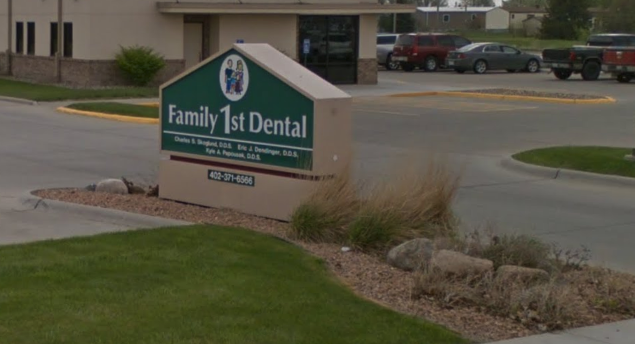
Visit Our Norfolk Dental Office
Dentist Norfolk

Norfolk Location
2104 Taylor Avenue,
Norfolk, NE 68701
(402) 371-6566

Our Dental News
Dentist Norfolk

Strategies to Manage Dental Anxiety for a Comfortable Visit
Dental anxiety is a common concern for many individuals navigating their oral health. At Family 1st Dental – Taylor Avenue, located at 2104 Taylor Avenue in Norfolk, NE, creating a comfortable and supportive environment is our top priority. Our team […]
The Benefits of Family Dentistry – Why Choose Us For This
Family 1st Dental – Taylor Avenue, located at 2104 Taylor Avenue in Norfolk, NE, recognizes the importance of finding a trusted provider for family dental needs. General dentistry plays a pivotal role in maintaining oral health. It offers a comprehensive […]
Dental Care for Seniors: Maintaining a Healthy Smile – Why Choose Us For This
As we age, maintaining oral health becomes increasingly important. Dental care for seniors addresses not only the physical aspects of oral health but also impacts overall quality of life. At Family 1st Dental – Taylor Avenue, located at 2104 Taylor […]